

Level 6
Canine Behaviour Practitioner
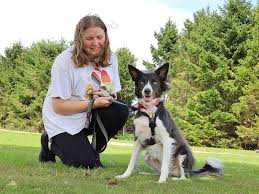
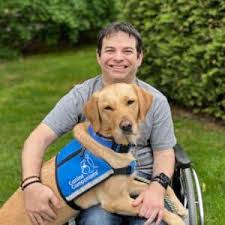





Move from trainer to recognised behaviour practitioner with the IICBT Level 6 Diploma in Canine Behaviour Practice, a professional qualification designed for experienced trainers who want to take on structured behaviour cases as well as training.
This Level 6 behaviour qualification builds on your existing training skills from Level 5 and focuses on assessment, case formulation, behaviour planning and owner support, with a strong emphasis on remote-friendly practice.
By the end of the course you will be confident taking structured histories, thinking clearly about what is driving a case, designing practical behaviour plans and communicating your recommendations to owners and vets in a professional, credible way.
MODULES INCLUDED
You will study four focused modules that take you from behaviour-aware trainer to structured behaviour practitioner:
- Professional practice, scope and ethics in behaviour work
- Behaviour assessment and case formulation
- Behaviour planning and intervention design
- Remote behaviour practice and caseload management
Typical course length:
Most learners complete the taught content and assessments within 6–8 weeks alongside an active client load. You have up to 12 months of access to complete all elements.
You will qualify with:
- IICBT Level 6 Diploma in Canine Behaviour Practice
- The right to use the title IICBT Canine Behaviour Practitioner (IICBT CBP) in line with IICBT brand guidelines
- Recognition through the iPET Network Professional Development Recognition (PDR) scheme
STUDY OPTIONS AND SUPPORT
The Level 6 course is designed to fit around your existing training work and behaviour enquiries.
- All core teaching is delivered online through tutor-led lessons, case walk-throughs and short knowledge checks
- You access your content, templates and assessment guidance through a single student portal
- You can fast track in focused blocks or spread your study more steadily alongside client work
Throughout your studies you have access to experienced IICBT behaviour tutors for questions on cases, assessment and professional scope, plus a student helpdesk for technical support.
HOW YOU WILL BE ASSESSED
Assessment is designed to confirm that you can think through and plan behaviour cases safely and systematically.
- Short online assessments at the end of each module, such as multiple-choice questions, brief case summaries and applied questions
- A final behaviour case study where you bring together history taking, formulation, planning and communication
For the final case study you will normally:
- Use an IICBT history template to gather structured information
- Produce a written formulation and staged behaviour plan
- Outline how you will support the owner over time and liaise with the vet where appropriate
- Provide a short recorded explanation of your approach, as if speaking to an owner or veterinary colleague
Clear assessment criteria and example work are provided so you know exactly what a pass standard looks like.
CAREER SUPPORT AND BUSINESS RESOURCES
The Level 6 Diploma is built to help you add a structured behaviour caseload to your existing training business.
During the course you will:
- Use ready-made templates for histories, formulations, behaviour plans and vet reports
- Practise explaining behaviour work, timescales and fees in clear language that sets realistic expectations
- Begin to shape defined behaviour services and packages that sit alongside your current training offer
You also gain access to further IICBT resources and pathways that support you in developing referral relationships, managing a sustainable caseload and building a behaviour profile that owners and vets can trust.
COURSE FEES
The total course fee for this programme is £499.
Flexible payment options are available. On your call, an IICBT adviser can talk you through deposit amounts, monthly plans and what will work best for your budget.
Level 6 Diploma in Canine Behaviour Practice
Career Pathway Options
Dog Walker Package


Canine Behaviour Practitioner Package


Dog Trainer Package





The UK’s #1 training provider for canine behaviour and training
With long standing expertise in developing high quality canine professionals, we understand what it takes to succeed in a competitive, fast growing field. We train dog trainers and behaviour practitioners who are more employable, better prepared for real cases, confident with clients, and committed to ethical, evidence based practice.
If you are new to the industry, our Level 5 Diploma in Canine Training and Instruction is the place to begin. It is recognised as a clear benchmark for those entering professional practice and gives you the skills to train dogs safely, design structured training plans and work effectively with owners.
If you are an experienced trainer aiming to move into complex behaviour work, our Level 6 Diploma in Canine Behaviour Practice builds on that foundation. You will develop advanced skills in behavioural assessment, case formulation, risk management and working closely with veterinary teams.
You can also strengthen your profile with focused short courses in areas such as puppy training, first aid and nutrition. These programmes help you deepen knowledge, refine your practice and stay current with sector expectations.
Step 1. Download The Prospectus
Start by downloading the Level 6 Diploma in Canine Behaviour Practice prospectus. You will see what you will learn, how behaviour cases are structured on the course, and the types of services and income this qualification can support. You get a clear picture of the move from training into behaviour without any commitment.
Step 2. Talk to an IICBT Adviser
Next, you speak with an adviser who understands the jump from training to behaviour work. They will look at your current experience, the cases you want to take on, the risks you want to avoid and how behaviour work can fit alongside your training business. Together you discuss fast track or steady options, agree a study route, explore payment plans and, if it is the right step, build a package around your goals.
Step 3. Get Enrolled and set Up in Your Portal
If you decide to enrol, your adviser completes the process with you and walks you through your behaviour study area inside the student portal. You see where each Level 6 module sits, how to submit case work, where to find templates and how to get tutor help when you need it. You come away with a clear plan from first lesson to final case study.
Step 4. Study, Complete Assessment, Get Qualified
You then work through the Level 6 content around your existing client load. Most learners complete the taught content and assessments in around 6 to 8 weeks once they are actively working with cases. You follow structured lessons, apply them to real or example cases, complete short assessments and your final behaviour case study, then receive your IICBT Level 6 Diploma in Canine Behaviour Practice and Canine Behaviour Practitioner title.
Step 5. Start or Grow Your Business With Our Support
Once qualified, you start positioning yourself as a behaviour practitioner, not just a trainer who takes the odd difficult case. You shape clear behaviour packages, work more closely with vets and rescues, and gradually build a caseload that fits your income and lifestyle goals. You continue to use IICBT templates, mentorship and progression options to keep growing your behaviour profile and referral base over time.
WHY SERIOUS DOG PROFESSIONALS CHOOSE IICBT
Independent, outcomes-led standards for canine training and behaviour, designed to prepare you for real work with dogs and owners.
Fast Track Routes
Move quickly if you’re ready, or pace your study around work and family. We show you exactly how to get qualified, not just “work through the content”.
Practical Workshops
Train in person at places owners recognise, including The Kennel Club at Stoneleigh and partner centres across the UK, not just in a village hall.
Unlimited tutor Access
Ask questions as often as you need. You get direct access to practising trainers and behaviour specialists, not a ticket system and stock replies.
Study From Anywhere
Log in, watch lessons, download templates and keep going. All core teaching lives online so you can build your new career from your sofa, not a classroom.
Support to Build a Business
We talk pricing, services, marketing and client handling, so you leave with a plan to earn from your skills, not just a certificate for the wall.
Training People Trust
Your courses are backed by an independent institute and recognised through the iPET Network PDR scheme, giving you something credible to show vets, employers and clients.
Behaviour work is one of the highest value routes in the canine industry. Instead of selling short walks or basic training sessions, you are solving big problems that families are desperate to fix. That is why many behaviour practitioners work in packages that include a detailed assessment, written plan and follow up support, often charged at £250 to £500 or more per case.
If you charged £300 for a core package and worked with just two new cases per week alongside training, that is around £600 per week on top of your other services, well over £30,000 per year before costs. With a full time behaviour caseload, strong vet and rescue referrals and a mix of in person and remote cases, it is realistic to work towards £60,000 to £80,000 per year in behaviour fees.
The IICBT Level 6 Diploma in Canine Behaviour Practice is designed to move you into that higher bracket. It helps you package your expertise, set clear expectations and present yourself as the behaviour practitioner that owners, vets and rescues feel confident sending complex cases to, so you can build a behaviour focused business that gives you both impact and income.
Fees and Payment Options
When you speak with an adviser, they will talk you through course fees, any current offers and the payment plan that fits your budget. Most learners start with a £199 deposit and a simple monthly schedule.
Spread the cost of your course over simple monthly instalments, with 0% interest on our in-house plans.
Secure your place with a £199 deposit, then spread the remaining course fees with simple monthly payments.
Our in-house payment plans do not require a formal credit check, keeping the process simple and accessible.
Pay your full course fee at enrolment and save 20% compared with the standard payment plan price.
What if I am a good trainer but new to “proper” behaviour work?
That is exactly who this course is for. We assume you are already comfortable with training plans and clients, but want a clear way to take on behaviour cases without guessing. The Level 6 Diploma gives you structure for histories, formulations, plans and support, so you can move from “I sometimes see behaviour problems” to running defined behaviour packages that you can charge properly for.
Do I have to quit my job or stop training to make this work?
No. Most learners add Level 6 alongside an existing training business or employment. You can start by applying the framework to a small number of behaviour cases, then grow that part of your work as your confidence and referrals increase. On your call, your adviser can help you decide how to fit Level 6 around your current caseload and income.
How long will it take me to start earning from behaviour cases?
That depends on your starting point. Some trainers begin offering simple behaviour packages while they are part way through the course, others prefer to complete more modules first. On your call, your adviser will look at the work you already do, how quickly you want to move and when it makes sense to start charging for behaviour assessments and plans.
I have done cheap online behaviour courses before. How is this different?
This is not a “watch some videos about anxiety and reactivity” course. The Level 6 Diploma is a recognised qualification built around real behaviour practice, with structured teaching, templates, tutor input and a final case study. It is designed to help you think clearly about risk, welfare and scope, so you can run behaviour cases that owners, vets and rescues trust, not just talk about behaviour theory.
What if I get stuck with a tricky case or lose momentum?
You are not expected to work through this alone. You will have access to a student portal, tutor support and a helpdesk for practical questions. If you are unsure how a concept applies to a case, or you are struggling to fit study around client work, you can get guidance to get moving again rather than shelving behaviour work because it feels too hard.
What happens once I qualify?
You can present yourself as an IICBT Canine Behaviour Practitioner, with a Level 6 behaviour qualification behind you. That supports higher value behaviour packages, clearer vet and rescue referrals and a more defined caseload, whether you choose to keep training alongside behaviour or specialise further. You will also have a full set of templates, processes and example documents you can plug straight into your practice.
Do you offer payment plans, or do I have to pay everything upfront?
You do not have to pay the full fee in one go. On your call, your adviser will explain the course fee, any current offers and the payment options available. The aim is to build a plan that fits your cash flow and goals, so you can step up into behaviour work without putting pressure on yourself or your business.
I have seen other behaviour courses. Why should I choose IICBT for Level 6?
A lot of behaviour courses give you theory and a certificate, then leave you guessing when a real, messy case lands in your inbox. The IICBT Level 6 Diploma is built by practitioners who actually take referrals from vets and rescues and run behaviour caseloads week in, week out. You get a clear assessment and planning framework, real case examples, templates and support, so you can run behaviour packages that owners, vets and insurers take seriously, not just say you “do behaviour” on your website.